Going private as a chiropractor
GCC registration, X-ray rules, associations and getting found. Read the chiropractic guide →
How to start an osteopathy practice in the UK is mostly a business question, because the clinical side you already have. You need current GOsC registration and CPD, at least £5 million of professional indemnity, somewhere to work, sensible rates and a website that stays inside the advertising rules. This guide covers each of those in the order they matter, then how to get found.
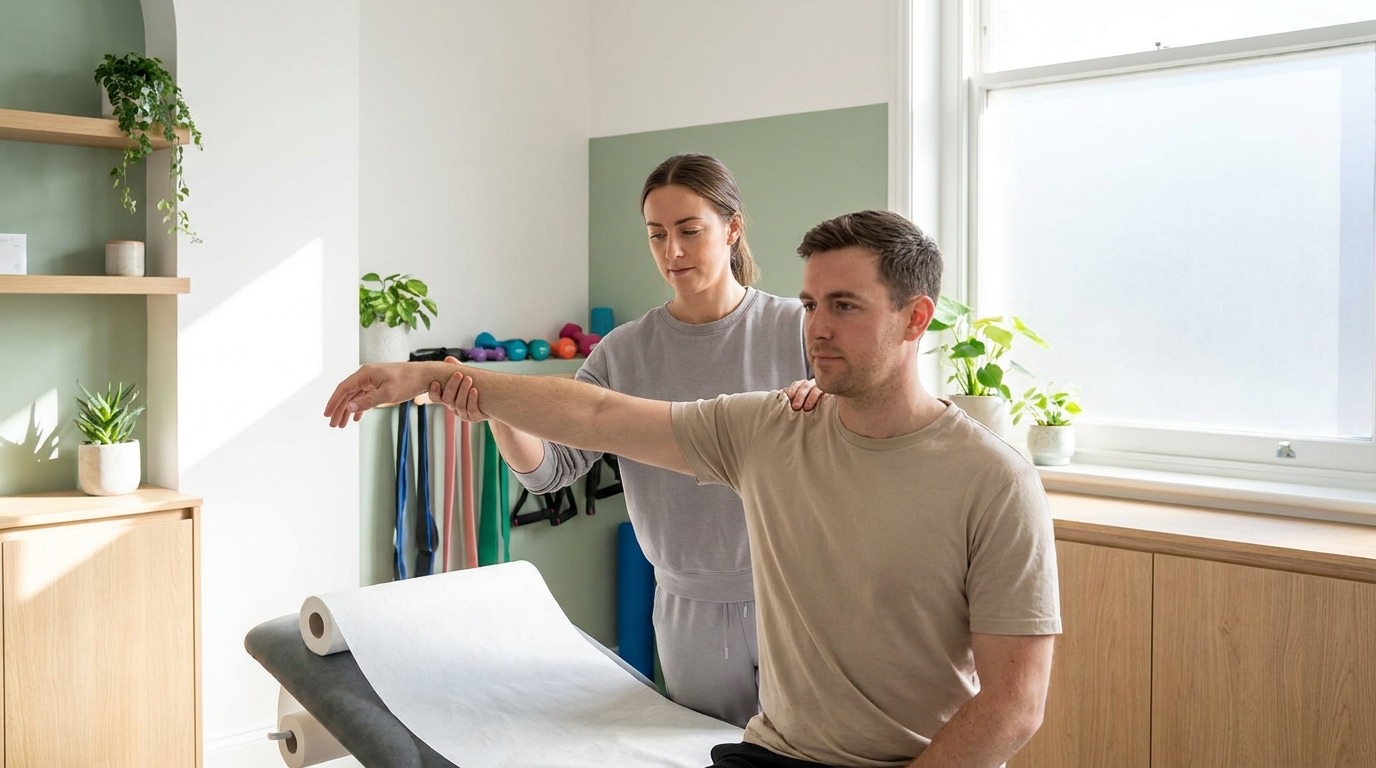
If you already work as an associate, much of this is setting things up in your own name rather than starting from scratch.
"Osteopath" is a protected title under the Osteopaths Act 1993. It is a criminal offence to describe yourself, directly or by implication, as any kind of osteopath unless you are on the General Osteopathic Council register, and the GOsC prosecutes people who do. You join after a recognised qualification, then renew every year, declaring your insurance and CPD each time.
GOsC registration currently costs £320 in your first year, £430 in your second and £570 a year after that. The GOsC is consulting on an increase until 29 October 2026, with options of £50, £75 or £100 a year, and any change needs government approval, so check the current figure when you renew.
The GOsC CPD scheme asks for 90 hours over a three-year cycle, at least 45 of them learning with others, covering all four themes of the Osteopathic Practice Standards. Within that you need an objective activity (such as patient feedback, clinical audit, peer observation or case-based discussion), an activity on communication and consent, and a peer discussion review at the end of the cycle. Running your own practice makes patient feedback and audit easy to build in from day one.
The GOsC requires at least £5 million of professional indemnity cover, held continuously, including run-off for claims that arrive after you stop practising or change provider. When you compare policies, check:
Prices vary with what you do, so get quotes for your own practice.
The iO is the profession's membership body; the GOsC is the regulator. Membership is optional, but it gives you access to an insurance scheme, CPD resources and business and marketing support, with reduced rates in the first years after graduating. Compare what is included with buying insurance and CPD separately.
Whatever you choose, you need a private room with space around the couch, somewhere to wash your hands, and access patients with limited mobility can manage.
Fees vary with location and experience, so look at what five or six osteopaths near you charge rather than a national figure. Many practices charge more for a first appointment because it takes longer. Pitch yourself sensibly rather than undercutting, because a low price is hard to raise later.
Patients can see you without a GP referral, so say that plainly on your website. Some insurers recognise osteopaths, but Bupa's osteopathy and chiropractic network asks for five years' post-qualification experience in full-time practice, so it may not be an option in your first years. Our guide to getting recognised by Bupa and AXA explains the criteria.
Usually not, in England. CQC's "treatment of disease, disorder or injury" activity only applies to treatment given by or under the supervision of the health care professionals listed in the regulations, such as doctors, nurses, dentists and paramedics, and osteopaths are not on that list. The regulations keep osteopathy in scope when one of those professionals provides or supervises it, so if your clinic brings in a doctor or nurse, or you plan to add diagnostic imaging such as ultrasound scanning, check first. Our guide to CQC registration explains, and Scotland, Wales and Northern Ireland have their own rules.
The CAP Code applies to your website, social posts, Google profile and leaflets. CAP's advice for osteopaths lists the conditions it accepts osteopaths can claim to treat on the evidence it has seen:
Anything outside that list needs strong clinical evidence. Claims about conditions specific to babies, children or pregnancy, such as colic or morning sickness, are unlikely to be acceptable. Avoid "Dr" unless you have a general medical qualification, because CAP says it implies one.
Reviews count too. If you quote a patient on your website saying you fixed something outside the list, that is still your claim. Check testimonials against the same rules.
When someone is recommended an osteopath, they look you up before they book. If what they find is thin, they book someone else.
A clear four or five page site is enough to start, as long as it loads quickly on a phone. Include:
Our page on websites for chiropractors and osteopaths shows how we handle condition pages within the rules.
Free, and often more important than your website for local searches. Choose the osteopath category, add your services, hours and booking link, and if you rent a room or work from home, set a service area so your address stays private. Our Google Business Profile guide walks through it.
Patients can check you on the GOsC register, so make sure your entry is current. Add any directory that comes with your iO membership and the local listings patients use, and keep your name, address and phone number identical everywhere.
Most people search something like "osteopath near me" or "osteopath" with their town, or a condition such as back pain with their town. Being on the first page for those is worth more than any directory.
Local SEO takes months rather than weeks, faster in less competitive towns. A complete Google Business Profile and your first handful of reviews will usually do more in the first three months than anything else here.
Most of this takes a few hours a week. Don't try to do it all at once.
Yes. It is a criminal offence in the UK to call yourself an osteopath, or imply that you are one, unless you are registered with the General Osteopathic Council.
No. Patients can book directly. Say so on your website, because some people assume they need to see their GP first.
Not usually in England, if the treatment is given by osteopaths and other practitioners outside CQC's list of health care professionals. Check with CQC if a doctor or nurse provides or supervises treatment, or if you add diagnostic imaging.
Not for conditions specific to them, such as colic or morning sickness, unless you hold strong clinical evidence. CAP says claims for conditions it accepts in adults may be acceptable if they don't depart from those claims.
No. The GOsC is the regulator and registration is compulsory. The iO is an optional membership body offering insurance, CPD and business support.
It depends on your town, your rates and how many people already know you. Starting part-time, while keeping associate work, is the lower-risk route while your list builds.
We build and look after websites for osteopaths and chiropractors. Launch (£449 setup, then £39 a month) suits a single practitioner starting out. Grow (£949 setup, then £59 a month) adds a page for each condition you can treat, which is where most local searches land. Our co-founder Eva is an Associate Nutritionist and checks health claims, and every page is written against the CAP list.
Everything above is doable on your own, and many osteopaths do it. If you would rather spend the time on patients, see what we include for osteopath and chiropractor websites. Our ongoing marketing is for established clinics with a team, so for a new practice a good website and Google profile are the right place to start.
GCC registration, X-ray rules, associations and getting found. Read the chiropractic guide →
Setting up the listing that shows on Google Maps, step by step. Read the guide →
Guides for physios, therapists, consultants and others starting out. See all guides →
Email us. We answer practitioner questions about going private whether or not there is any work in it for us, and we reply within one working day.
Email info@evagrow.ai →